Wednesday, April 18, 2012

Hair Care: Apple Cider Vinegar Rinse

 \

Apple cider vinegar is pretty awesome. I recently wrote a post for Sprout Chicago that included the benefits and a recipe for an Apple Cider Vinegar Rinse. I recently made some hair rinse for myself. I have not tried it yet, but will have to wait three more weeks before I can. I'll update you then!

My blend included half chamomile, which is used for normal to fine hair, and lavender which is used for normal hair to treat dryness and dandruff.  I filled this 16 oz. jar halfway with the herbs, and then topped it off with the vinegar. I'm going to let it sit for 4 weeks, strain it, then add 1 part vinegar to 4 parts water and a couple of drops of lavender oil. 

For instructions on how to use this rinse, go here!

Ladies, for an extra added tip: mix 1 tsp. apple cider vinegar with 1 tsp. honey in 1/4 cup warm water. Use this to help treat a yeast infection, along with eliminating sugar, red meat, and oranges from your diet. A lot of yogurt and acidophilus along with doing the afore-mentioned has cleared up things for me!


Posted by Picasa

Saturday, February 11, 2012

Red Raspberry Leaf for Women's & Mother's Health


from A Modern Herbal

I've been busy with work and dance, but my mother has been busy helping me to remember some awesome herbs that deserve consideration. Our featured herb today, red raspberry leaf, comes from my mother's experience as a mommy-to-be and from helping others during their pregnancies. However, this herb is also wonderful for women's health in general. It's definitely one to keep in your cupboard!

dried red raspberry leaf
Red raspberry plants were said to have been discovered by the Olympian gods. Since then, it has been used throughout the history of folk medicine for many ailments, including canker and cold sores, anemia, diarrhea, gingivitis, and to stabilize other ingredients in herbal blends. It’s rich in vitamin C, vitamin E and the easily assimilated calcium and iron. (beware of those iron tablets - they are NOT a good source of iron!)  Raspberry leaves contain vitamins A and B complex and many minerals, including phosphorous and potassium as well.

raspberry plant
Red Raspberry not only has delicious fruit  but its properties are  very valuable during pregnancy.   Drinking tea made from the leaves is not only safe during pregnancy but is highly recommended.  It contains fragrine, an alkaloid  that tones the muscles of the pelvic area  as well as the uterus preparing it for the contractions during birth. Because of it’s abiity to tone the uterus, new mothers will experience less bleeding after birth as well. Mom personally attests to it’s effectiveness. She says her labors were relatively quick and  problem free as well as my recovery!


You don’t have to be  pregnant to enjoy the benefits of Red Raspberry. The calcium it contains will help with painful cramping, headaches, water retention and other symptoms that plague women during  menstruation. It also helps to promote healthy nails, bones, teeth and skin and unknown to me until refreshing my knowledge of red raspberry, it helps with canker sores and  cold sores. 

And the best thing- red raspberry leaf actually tastes really good, like black tea without the caffeine. I think I might start replacing my morning coffee with a nice raspberry tea blend of red clover, yarrow, nettle, borage, and red raspberry leaf. This blend is a great tonic for any woman to drink 2 or 3 times a day. Try making a large batch once a week to keep in your fridge and warm up a cup in the morning and evening.


raspberry leaf tea by Traditional Medicinal

Here are a couple of other blends to try for pregnancy and morning sickness.

Pregnancy Tea Recipe:
3 parts Red Raspberry leaf
2 parts Nettle
4 parts Peppermint or Spearmint

Morning Sickness Tea:
1 part Red Raspberry
¼ part gingeroot - grated
2 parts Peppermint
-The peppermint and ginger will help settle a queasy tummy-

Whether you are a mother to be or a woman looking to get more calcium and iron into your life, red raspberry leaf is a wonderful herb that has no side effects when used in moderation. Try a cup today instead of your morning coffee!

Sources:  Rosemary Gladstar
               Susan Weed
              The Complete Illustrated Herbal

Wednesday, February 1, 2012

Windowfarms- hydroponic herbs in winter?!

Thought about growing vegetables and herbs in your apartment during the winter but wasn't sure where to start? Windowfarms, a vertical, hydroponic garden for your window, may be a good place to begin.

Windowfarms have been tested and developed by people around the world who have tried to build their own and have shared their experience with others online. These hydroponic farms depend on your climate-controlled apartment to yield vegetables all year long for a minimal cost. 

I want to build one right now. Imagine, fresh basil, cilantro, lettuce, and tomatoes growing in your window without any soil and without having to remember to water them every day. Or, how about being able to grow fresh herbs for your favorite herbal remedies right in your window?

Right now, you can find directions on how to build two different versions of a Windowfarm on their website. You can also choose to purchase three different sizes if you feel you do not have the time or skills, although they seem relatively easy to figure out with help from a friend. 
Also, you can join the online community who is there not only to help, but is also there so that you can share anything you've learned through the process of building your own farm. This helps the community as a whole make improvements with each new discovery. I love that the project is propelled by any and everyone who builds or uses a Windowfarm. It's pretty awesome!


If you are a brave soul like myself who would like to join in a group dedicated to helping each other build their own Windowfarms, I'd be interested in heading a group in Chicago. Just message me with an email address and I'll be in contact!

Wednesday, January 18, 2012

Mullien- A Multi-Purpose Herb


written by Lorri, edited by Molly

It's cold season. And cough season. I can hear it when I work, when I'm on the bus, when I'm shopping for groceries. But there is no need to suffer a dry cough, with a little mullien.

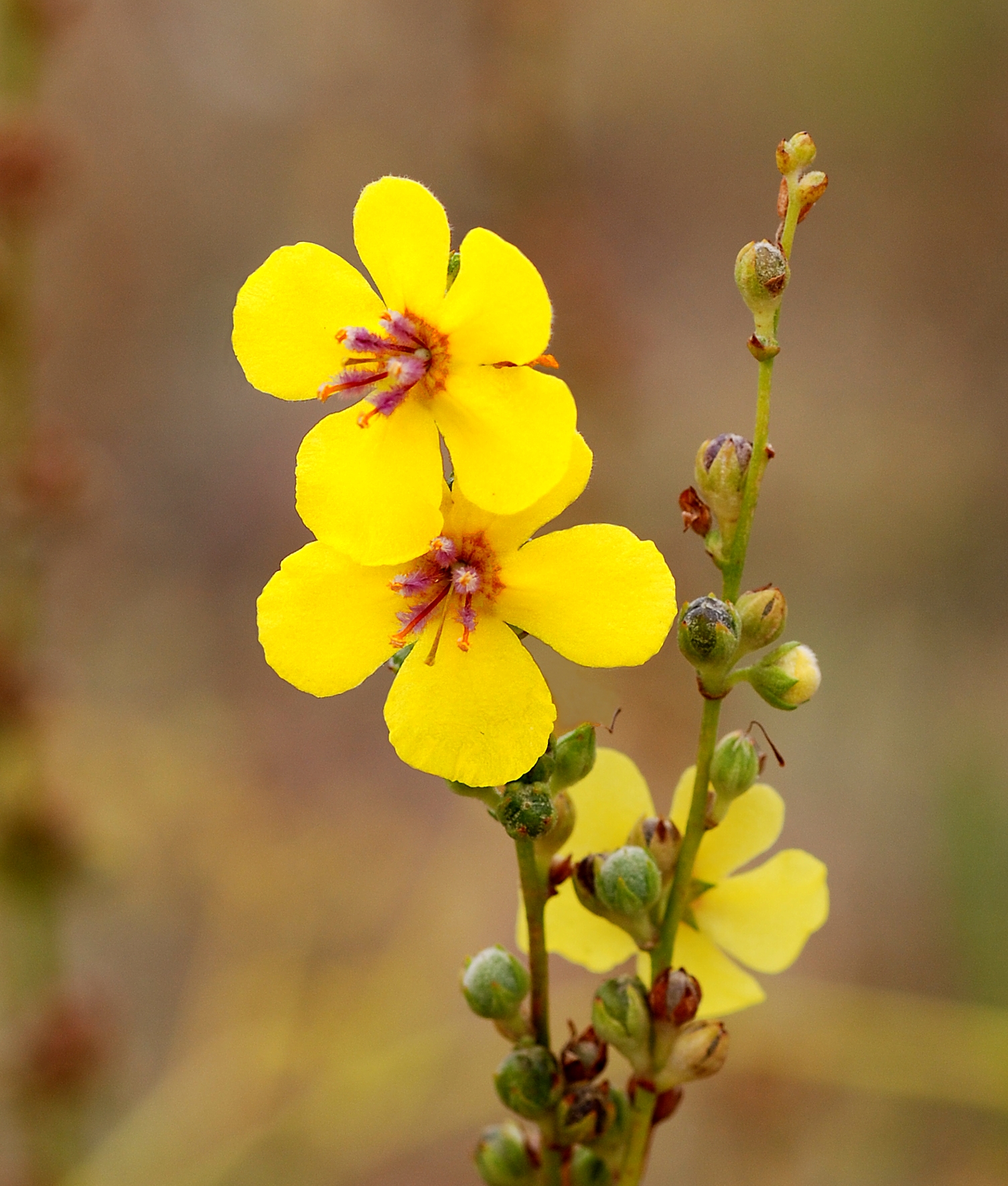
Mullien, also known as velvet plant because of its soft fuzzy leaves, is a relative of spinach. Mullien is a hairy biennial plant that has small yellow flowers on a tall stem, which shoots up from a large rosette of leaves. It grows in a wide variety of habitats and is very hearty. All parts of the plant can be used for different remedies, from the leaves, to the flowers, and down to the root, which makes it a valuable plant as well as a beautiful one to include in your herb garden.

It was thought that witches used lamps and candles with wicks of Mullein in their incantations.In Europe and Asia the power of driving away evil spirits was credited to mullein. Thought to be a sure safeguard against evil spirits and magic, and from the ancient classics, it was this plant which Ulysses took to protect himself against the wiles of Circe. (Wikipedia)

dried mullien leaves

Internally mullein leaves are used to treat the respiratory system for coughs, colds, bronchitis and asthma.  It tones the mucous membranes, reduces inflammation and stimulates the production of fluids thus helping with loosening and removal of phlegm in cases of congestion. I clearly remember patiently spooning teaspoons of tea infused with mullein into my son's mouth when he was suffering from  bronchitis and the result of a much looser, productive cough.

Mullein is not a pleasant tasting herb, so it needs to be cleverly disguised with something strong enough to overwhelm it.  Licorice works wonderfully and is also a beneficial herb for the respiratory system:

Favorite cough tea:

1 part coltsfoot
1 part licorice root
1 part mullein leaves

Infuse the coltsfoot, licorice & mullein in a cup of water.   Sweeten with a little honey if necessary for your taste buds. 
mullien flower 

When mullein flowers are infused in olive oil, it makes an excellent ear ache remedy.  It has a mucilage property when infused that helps to coat and soothe - thus it feels wonderful when the mullein oil is dropped into an aching ear. It also has sterols that stop inflammation and help with pain relief.  Do NOT drop it into the ear if you suspect the eardrum has burst!

Adding beeswax to this infused oil can make a wonderful balm for inflamed skin, including for diaper rash, or as a first aid balm. The leaf can also be used as a poultice when there is swelling and bruising. A wet leaf placed onto the bruised area and then wrapped up under an Ace bandage is a wonderful and easy remedy. A bruised leaf can also staunch the flow of blood, and is also helpful in killing microbes in the wound that can cause infections.

An extract of mullien root can be used for the nervous system in cases of localized nerve spasms or disorders, like Bell's Palsy. It is also known to reduce blood pressure and can be helpful in treating stress, anxiety, and depression. When mullien is combined with chickweed, comfrey, and marshmallow root in an herbal tincture, it can also help asthma sufferers

What can this herb NOT do? It has so many uses, and is relatively side-effect free when used properly and in moderation. It's definitely one to include in your collection of herbs, or grow if you are able. 

References:


Thursday, January 5, 2012

Grandma's Butcher's Broom

 
Butcher's Broom berry
by Lorri Stoltz, edited by Molly Stoltz


My mom wanted to share an herb that my grandmother happened to love, and so I'm going to pass this post on to Lorri. Here's mom!


Grandma Stoltz believed in Butcher's Broom, which helped her to tame her varicose veins. It happens to run in the family (both sides!) and I'm sure many women have struggled with them as well. So, this post is dedicated to Grandma Stoltz, an avid gardener and folk herbalist of sorts.


Butcher's Broom


Butcher's Broom is a rather obscure herb. It is an evergreen bush in the lily family.  It has leaf-like branches with a spine and until the 20th century the dried plant could be used as a broom -thus the name Butchers Broom!  It appears to fit in nicely with Christmas decor as well. It has pretty red berries that contrast the green leaves.


This dual purpose herb and household item has a variety of properties. Researchers in France have determined that butcher's broom contains compounds closely resembling steroids which may account for its anti-inflammatory action. It’s properties help support circulation and can actually make veins stronger.  In a nutshell it reduces swelling, alleviates inflammation and increases circulation making it popular with varicose vein sufferers. It also helps edema of the legs, asthma, jaundice, and other ailments.

illustration of Butcher's Broom


Traces of coumarins can also be found in butcher's broom . Coumarins are used today as anticoagulants in drugs that" thin the blood. Butcher's broom also contains ruscogenin, neo-ruscogenin and flavonoids. 

IMPORTANT: Butchers broom should be used with caution for anyone who takes blood pressure medication.  It also should not be used by pregnant women. Butchers broom is also a mild diuretic, and may cause increased urinary output.


Hemorrhoid suffers also appreciate it’s ability to tighten dilated blood vessels thus it’s effective in the relief of those nasty anal pests. For soothing relief combine a butchers broom tincture with witch hazel, refrigerate till cool and apply with cotton balls to inflamed area.  

Here's a tea blend from Rosemary Gladstar!


Healthy Vein Tea


3 parts Hawthorn berries

3 parts Butchers Broom

2 parts Prickly Ash Bark

1 part Ginger

1/2 lemon peel


Mix these ingredients together.

Use 2 teaspoons in 1 cup of water. Prepare as a decoction for 15 minutes. Then remove from heat and add 1/2 t. yarrow and let steep an additional 15 minutes. Strain. Drink 3 times daily.


And, if you don't need any of these remedies, you can still make a broom!


References:  Prescription for Herbal Healing - Phyllis Balch, CNC

Thursday, December 1, 2011

American Herbalist Guild in Chicago


I just received my first American Herbalist Guild Journal in the mail. I'm still working my way through its content. There is so much to learn! I've just become a  general member of the American Herbalist Guild (AHG), and I'm looking forward to reaping its benefit now and in the future.

What is the AHG, and why would I want to become a member even if I am not currently a practicing herbalist?

First off, it is important to realize that herbalism in the United States is not recognized by or certified by the government. Technically, it is an unregulated practice.So, anyone could potentially call themselves an herbalist in the eyes of modern medicine no matter their experience, right? Herbalists know that calling yourself an herbalist doesn't make you a GOOD herbalist. Obtaining a professional membership from the AHG helps to recognize those that are competent in botanical medicine and offers a form of regulation.

But hey, I'm not a practicing or professional herbalist. How did I sneak in there and get a membership?

AHG is more than a regulating body. It is also interested in promoting herbalism in many ways.Its goals are to promote the health of people and of the earth, to help form a network of experienced herbalists, and to assist those interested in herbal medicine to obtain a high quality education.

Anyone who is interested in herbal medicine is welcome to become a general member of AHG. This will allow you to receive a copy of the AHG's biannual Journal, discounts to their symposium and access to library of recorded lectures on their website. 

Also, there are AHG chapters all over the U.S., including a new one just forming in Chicago. I recently attended their second meeting, and becoming a part of a chapter is the best way to connect with other herbal enthusiasts. I met so many knowledgeable and excited student and professional  herbalists! Becoming a member of AHG allows you to become a counting member of your local chapter (although you can still attend meetings without a membership, with a membership your chapter will be able to receive more funding to plan events!). Our chapter is currently planning a symposium for 2012. I'm looking forward to helping make it happen.

Other reasons to visit AHG's website besides to see what they are about?

They offer links to many credible websites offering information about herbal medicine. They have a section dedication to herbal education resources. They have links to webinars about interesting topics, including "Herbs and Emotional Health" by Steven Horne. They also offer information on how to choose a good herbalist for your own health.

I recommend checking this organization out even if it is to keep their website bookmarked for your reference.

Wednesday, November 9, 2011

our golden girl, goldenseal


Goldenseal is an herb I've been familiar with for years, if only because it happens to appear in many herbal remedies and concoctions. My mom has snuck it into many a tea and salve, and I carry a little tin of Golden Salve containing goldenseal root with me in my travel first-aid kit. I'll be heading to the store to find it in a dried root form for some tea I'll be making later today.

Goldenseal is prized for its yellow, knotty root. From this root grows a hairy purple stem from which two leaves with 5-7 lobes grow. One plant will bear a single white flower which later matures into a fruit which is reminiscent of a raspberry, which carries 10-30 seeds inside. It is a humble, slow-growing plant which is definitely not showy but which is very valuable nonetheless.

Why is it so prolific and valuable in Western herbal medicine?

 
goldenseal in bloom

First off, goldenseal is known traditionally to act as an antimicrobial agent. It contains berberine, which has been found to kill many kinds of bacteria, including those that cause diarrhea, yeast and urinary tract infections, and and various parasites such as tapeworms.  This substance also activates white blood cells, strengthening the immune system. Berberine can also be found in Oregon grape, yellow root, phellodendron, and barberry, and those herbs can sometimes serve as a substitute if you are looking for a dose of berberine.

Goldenseal is also an alterative which affects our mucous membranes. This is a new word to my vocabulary too! Alterative means that it either lessens excess mucous flow or increases deficient flow. According to a scientific study by Rabbini, this helps to increase healthy fresh mucous flow which contains its own antibodies. Goldenseal itself does not actually affect bad bacteria on its own but helps the body to fight bad bacteria with its own defense system.

Goldenseal can be used to boost the benefits of other herbs even in small amounts. It has a bitter taste and aids in digestion and stimulates the appetite.


!!!!CAUTION!!!!:  According to Paul Bergner, goldenseal should be used with caution. It should be used in circumstances where there is yellow or green phlegm. It should not be used in early stages of an upper respiratory infection or when there are more chills than fever. It should not be used for longer than two weeks. Goldenseal can reduce the absorption of vitamin B, an important vitamin for daily health. Also avoid goldenseal during pregnancy and breast-feeding.

As always, make sure that you know what an herb does and never over-do any kind of herbal treatment. Herbs are good, but moderation is a must!

goldenseal berry-looks like a raspberry!

Now, goldenseal root is the part of the goldenseal plant that is used for herbal treatments, and I'll have to admit, it is rather expensive as I discovered when I tried to purchase some dried root at the nearest natural food store. Instead of getting a bag of loose root, I ended up purchasing a box of $12 tea which I'll dole out according to when I need it.

Goldenseal is so expensive for a couple of reasons, according to research done by the College of Agricultural Sciences at Penn State. First, it takes years for the root to mature, making prices unstable depending on the year. Also, wild-growing goldenseal has become an endangered species due to over-harvesting and habitat destruction. It's important to learn about the source of any goldenseal you purchase. Always purchase certified organic cultivated goldenseal because it is so scarce.
 
 this is not a neti pot... but nice try Dwight!

As for goldenseal recipes, it is always best when mixed into other remedies. This week, I used goldenseal in a remedial tea for a yeast infection along with mullien, raspberry leaf, and sage. These three herbs were mixed 2 parts each to 1/2 part goldenseal root. However, instead of searching for the dried root I recommend purchasing a good goldenseal tincture for times when a spalsh of goldenseal may serve you.

Try goldenseal tincture in your Neti pot when suffering from a sinus infection. Herbalist Jim McDonald  5-15 drops 2-3 times a day in your Neti pot for a stuffy nose. I'm going to try this one this winter for sure!

If you need some additional resources, try these:

University of Maryland's Complementary Medicine Program- Goldenseal
Wikipedia-Goldenseal
Jim McDonald-Surviving Sinitus

And remember, goldenseal is best in small doses and in moderation! Enjoy!