Thursday, June 14, 2012

Herbal Bug Spray for Summer


I hate mosquitoes. But they LOVE me.

That's why my Herbalist Guild decided to feature a DIY herbal bug spray at our first big general meeting. I've decided to share it here as well to spread the love, or share in the hate of those pesky critters, as is my case. This blend was put together by our secretary, Rebecca!

1 oz spray bottle

Herbal Bug Spray

1 oz spray bottle
Distilled water
approx. 5 drops each of rosemary, thyme and geranium essential oil

Fill the spray bottle with water and drop each of the essential oils into the bottle. Spray on when needed!

Added bonus- you will smell nice when you use this spray unlike commercial bug sprays. Smelling nice + keeping mosquitoes away = awesomeness.

Thanks for sharing this recipe, Rebecca! I couldn't make it to the general meeting myself to make this blend with everyone, so I'll have to make some on my own.

Have a happy, bug-free summer!


Friday, May 18, 2012

Nettle- A Powerful and Popular Herb

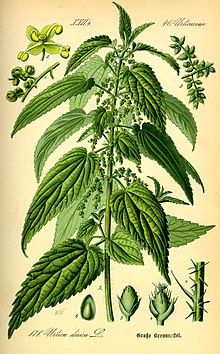
stinging nettle (urtica dioica)
Today, I'd like to talk about stinging nettle.

I am currently a member of the Greater Lakes American Herbalist Guild Chapter here in Chicago, and we took a poll to see which herbs people in our group utilize. Nettle made it's way to the top of the list. I've never personally used nettle, but after reading about it, I can see why it's a favorite of herbalists in my area. I will certainly begin including it in my tonics and teas in the future.

History

Although nettle is seen as an invasive weed, it is an incredibly adaptive and pervasive plant that can be found in different varieties all over the world. In North America, the most common form used by herbalists is stinging nettle (urtica dioica).

According to A Modern Herbal, the history of the name "nettle" comes from its former use.


The common name of the Nettle, or rather its Anglo-Saxon and also Dutch equivalent, Netel, is said to have been derived from Noedl (a needle), possibly from the sharp sting, or, as Dr. Prior suggests, in reference to the fact that it was this plant that supplied the thread used in former times by the Germanic and Scandinavian nations before the general introduction of flax, Net being the passive participle of ne, a verb common to most of the Indo-European languages in the sense of 'spin' and 'sew' (Latin nere, German na-hen, Sanskrit nah, bind). Nettle would seem, he considers, to have meant primarily that with which one sews.

Stinging nettles are known for their needles which inject chemicals into your skin if you happen to brush them. These chemicals sting (hence the name) and cause raised bumps on your skin. The sting disappears when nettle is cooked or dried, however. Not all nettle stings, but stinging nettle is most popularly used in Western medicine.

NOTE: You can forage for your own nettle in many areas in North America, but make sure to wear gloves, be able to identify the plant correctly, and always cook the nettle or make it into tea before ingesting. Some herbalists say that you can roll the nettle in your GLOVED hands to break the needles off and chew on it raw, but this is something I recommend only for those who have worked with nettle and who are very brave.


Uses

Internally, nettle leaves are used for MANY different ailments. They include too many to mention, but there is an extensive list of nettle's uses by Kassie Vance on her website.

The reason this herb is used for so many ailments is its rich mineral content. According to Steve Brill, nettles are rich in calcium, magnesium, iron, potassium, phosphorous, manganese, silica, iodine, silicon, sodium, and sulfur. They also provide chlorophyll and tannin, are a good source of vitamin C, beta-carotene, B complex vitamins and protein. This combination makes nettle a super-food of sorts!


Stinging nettle is a strengthening tonic that can lift your spirits and calm irritability. According to Gayla Trail, nettle tea can help allergy sufferers fight symptoms of seasonal allergies.  Know that it has to build in your system — you can’t expect to drink one cup of tea and find yourself symptom free. The tea itself tastes green and rich, unlike many other teas, and is pleasant to drink on a regular basis. Nettle is actually a drying agent and helps to dry up excess mucus as well.


picking nettle in the wild for tea- notice the gloves!
Nettle tea is great for weak immune systems, as it is packed with nutrients that give strength. It is useful for those who suffer from chronic disorders that require long-term treatment as it stimulates the lymphatic system and helps flush toxins from the kidney. Because of its iron content, it also works for anemia and fatigue, particularly for women.


Disclaimer: Nettle may lower blood pressure and heart rate. Avoid chronic use due to its diuretic effects. Do not take if pregnant or breast-feeding. Do not take if diabetic. Also, lots of nettle tea will make you have to pee a lot. 


Recipes


Greg Seaman offers a simple way to make tea from nettles that you have collected yourself. Fresh nettles are best when foraged for in the wild.

 Add water to your collected nettle leaves and heat to a near boil. Use about two cups of water for a cup of leaves. You can make the tea stronger by steeping longer, or weaker by adding more water. Once the water is near boiling, reduce heat and simmer for a couple minutes. Pour through a small strainer and enjoy. 


NOTE: When using any new herb, it's best to start with one cup a day, and then gradually increase your dose to more once your body recognizes it as the wonder that it is.


If you'd like to try something really different, make Nettle Soup. Nettle soup is delicious and nutritious.  

If you are unable to forage for your own stinging nettles, it has been found that freeze-dried nettles are the next best thing to use for allergy sufferers. A tincture of 40% water and 60% ethanol can also be used three times daily as well.

I am looking forward to speaking with my fellow herbalists about nettle and learning more about this powerful herb in our next meeting. To my followers, I hope you enjoy this information and do more research as there is so much more to this herb!

References
herbwisdom.com
yougrowgirl.com
A Modern Herbal: Nettle
Wild Man Steve Brill: Nettle

Wednesday, April 18, 2012

Hair Care: Apple Cider Vinegar Rinse

 \

Apple cider vinegar is pretty awesome. I recently wrote a post for Sprout Chicago that included the benefits and a recipe for an Apple Cider Vinegar Rinse. I recently made some hair rinse for myself. I have not tried it yet, but will have to wait three more weeks before I can. I'll update you then!

My blend included half chamomile, which is used for normal to fine hair, and lavender which is used for normal hair to treat dryness and dandruff.  I filled this 16 oz. jar halfway with the herbs, and then topped it off with the vinegar. I'm going to let it sit for 4 weeks, strain it, then add 1 part vinegar to 4 parts water and a couple of drops of lavender oil. 

For instructions on how to use this rinse, go here!

Ladies, for an extra added tip: mix 1 tsp. apple cider vinegar with 1 tsp. honey in 1/4 cup warm water. Use this to help treat a yeast infection, along with eliminating sugar, red meat, and oranges from your diet. A lot of yogurt and acidophilus along with doing the afore-mentioned has cleared up things for me!


Posted by Picasa

Saturday, February 11, 2012

Red Raspberry Leaf for Women's & Mother's Health


from A Modern Herbal

I've been busy with work and dance, but my mother has been busy helping me to remember some awesome herbs that deserve consideration. Our featured herb today, red raspberry leaf, comes from my mother's experience as a mommy-to-be and from helping others during their pregnancies. However, this herb is also wonderful for women's health in general. It's definitely one to keep in your cupboard!

dried red raspberry leaf
Red raspberry plants were said to have been discovered by the Olympian gods. Since then, it has been used throughout the history of folk medicine for many ailments, including canker and cold sores, anemia, diarrhea, gingivitis, and to stabilize other ingredients in herbal blends. It’s rich in vitamin C, vitamin E and the easily assimilated calcium and iron. (beware of those iron tablets - they are NOT a good source of iron!)  Raspberry leaves contain vitamins A and B complex and many minerals, including phosphorous and potassium as well.

raspberry plant
Red Raspberry not only has delicious fruit  but its properties are  very valuable during pregnancy.   Drinking tea made from the leaves is not only safe during pregnancy but is highly recommended.  It contains fragrine, an alkaloid  that tones the muscles of the pelvic area  as well as the uterus preparing it for the contractions during birth. Because of it’s abiity to tone the uterus, new mothers will experience less bleeding after birth as well. Mom personally attests to it’s effectiveness. She says her labors were relatively quick and  problem free as well as my recovery!


You don’t have to be  pregnant to enjoy the benefits of Red Raspberry. The calcium it contains will help with painful cramping, headaches, water retention and other symptoms that plague women during  menstruation. It also helps to promote healthy nails, bones, teeth and skin and unknown to me until refreshing my knowledge of red raspberry, it helps with canker sores and  cold sores. 

And the best thing- red raspberry leaf actually tastes really good, like black tea without the caffeine. I think I might start replacing my morning coffee with a nice raspberry tea blend of red clover, yarrow, nettle, borage, and red raspberry leaf. This blend is a great tonic for any woman to drink 2 or 3 times a day. Try making a large batch once a week to keep in your fridge and warm up a cup in the morning and evening.


raspberry leaf tea by Traditional Medicinal

Here are a couple of other blends to try for pregnancy and morning sickness.

Pregnancy Tea Recipe:
3 parts Red Raspberry leaf
2 parts Nettle
4 parts Peppermint or Spearmint

Morning Sickness Tea:
1 part Red Raspberry
¼ part gingeroot - grated
2 parts Peppermint
-The peppermint and ginger will help settle a queasy tummy-

Whether you are a mother to be or a woman looking to get more calcium and iron into your life, red raspberry leaf is a wonderful herb that has no side effects when used in moderation. Try a cup today instead of your morning coffee!

Sources:  Rosemary Gladstar
               Susan Weed
              The Complete Illustrated Herbal

Wednesday, February 1, 2012

Windowfarms- hydroponic herbs in winter?!

Thought about growing vegetables and herbs in your apartment during the winter but wasn't sure where to start? Windowfarms, a vertical, hydroponic garden for your window, may be a good place to begin.

Windowfarms have been tested and developed by people around the world who have tried to build their own and have shared their experience with others online. These hydroponic farms depend on your climate-controlled apartment to yield vegetables all year long for a minimal cost. 

I want to build one right now. Imagine, fresh basil, cilantro, lettuce, and tomatoes growing in your window without any soil and without having to remember to water them every day. Or, how about being able to grow fresh herbs for your favorite herbal remedies right in your window?

Right now, you can find directions on how to build two different versions of a Windowfarm on their website. You can also choose to purchase three different sizes if you feel you do not have the time or skills, although they seem relatively easy to figure out with help from a friend. 
Also, you can join the online community who is there not only to help, but is also there so that you can share anything you've learned through the process of building your own farm. This helps the community as a whole make improvements with each new discovery. I love that the project is propelled by any and everyone who builds or uses a Windowfarm. It's pretty awesome!


If you are a brave soul like myself who would like to join in a group dedicated to helping each other build their own Windowfarms, I'd be interested in heading a group in Chicago. Just message me with an email address and I'll be in contact!

Wednesday, January 18, 2012

Mullien- A Multi-Purpose Herb


written by Lorri, edited by Molly

It's cold season. And cough season. I can hear it when I work, when I'm on the bus, when I'm shopping for groceries. But there is no need to suffer a dry cough, with a little mullien.

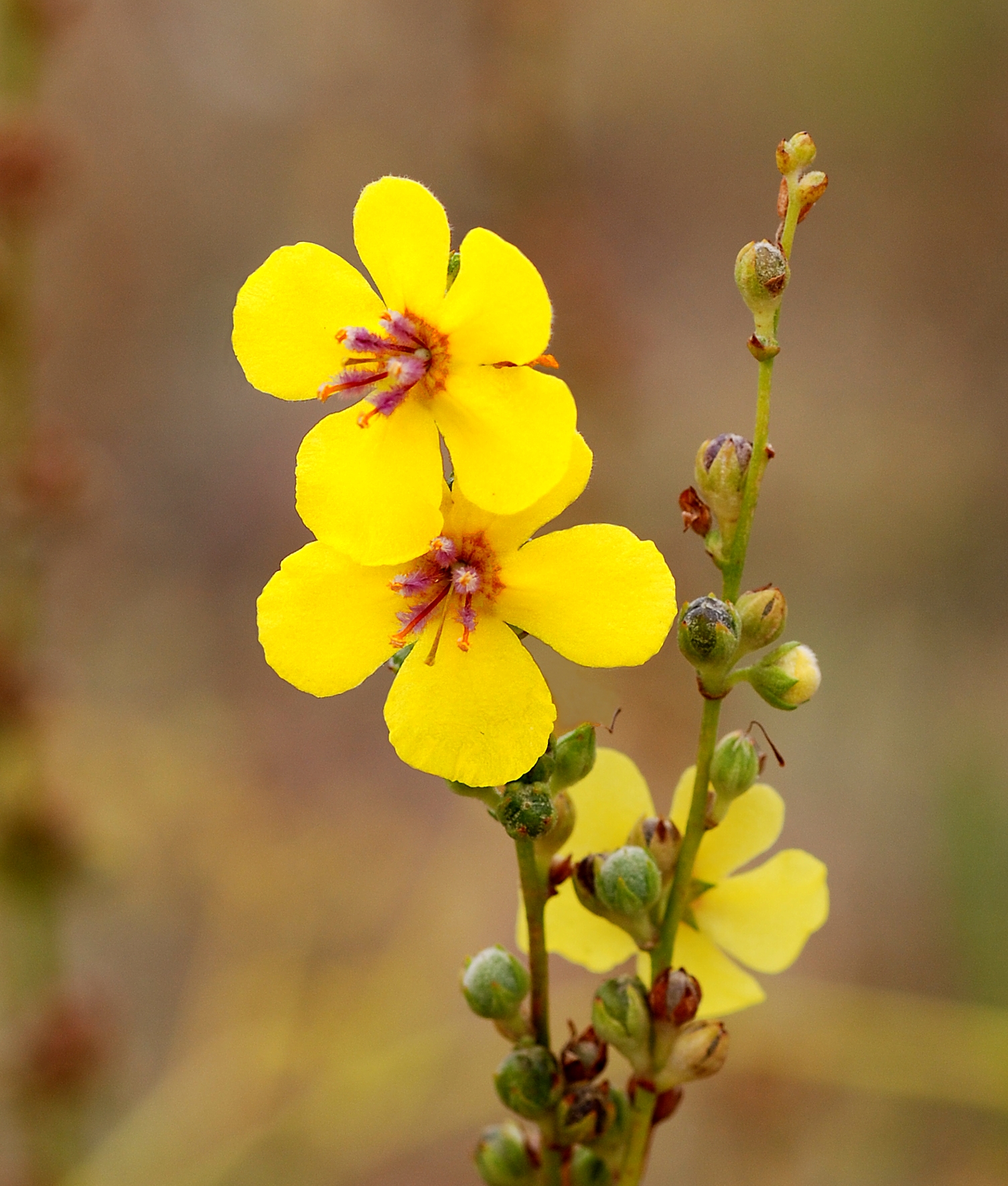
Mullien, also known as velvet plant because of its soft fuzzy leaves, is a relative of spinach. Mullien is a hairy biennial plant that has small yellow flowers on a tall stem, which shoots up from a large rosette of leaves. It grows in a wide variety of habitats and is very hearty. All parts of the plant can be used for different remedies, from the leaves, to the flowers, and down to the root, which makes it a valuable plant as well as a beautiful one to include in your herb garden.

It was thought that witches used lamps and candles with wicks of Mullein in their incantations.In Europe and Asia the power of driving away evil spirits was credited to mullein. Thought to be a sure safeguard against evil spirits and magic, and from the ancient classics, it was this plant which Ulysses took to protect himself against the wiles of Circe. (Wikipedia)

dried mullien leaves

Internally mullein leaves are used to treat the respiratory system for coughs, colds, bronchitis and asthma.  It tones the mucous membranes, reduces inflammation and stimulates the production of fluids thus helping with loosening and removal of phlegm in cases of congestion. I clearly remember patiently spooning teaspoons of tea infused with mullein into my son's mouth when he was suffering from  bronchitis and the result of a much looser, productive cough.

Mullein is not a pleasant tasting herb, so it needs to be cleverly disguised with something strong enough to overwhelm it.  Licorice works wonderfully and is also a beneficial herb for the respiratory system:

Favorite cough tea:

1 part coltsfoot
1 part licorice root
1 part mullein leaves

Infuse the coltsfoot, licorice & mullein in a cup of water.   Sweeten with a little honey if necessary for your taste buds. 
mullien flower 

When mullein flowers are infused in olive oil, it makes an excellent ear ache remedy.  It has a mucilage property when infused that helps to coat and soothe - thus it feels wonderful when the mullein oil is dropped into an aching ear. It also has sterols that stop inflammation and help with pain relief.  Do NOT drop it into the ear if you suspect the eardrum has burst!

Adding beeswax to this infused oil can make a wonderful balm for inflamed skin, including for diaper rash, or as a first aid balm. The leaf can also be used as a poultice when there is swelling and bruising. A wet leaf placed onto the bruised area and then wrapped up under an Ace bandage is a wonderful and easy remedy. A bruised leaf can also staunch the flow of blood, and is also helpful in killing microbes in the wound that can cause infections.

An extract of mullien root can be used for the nervous system in cases of localized nerve spasms or disorders, like Bell's Palsy. It is also known to reduce blood pressure and can be helpful in treating stress, anxiety, and depression. When mullien is combined with chickweed, comfrey, and marshmallow root in an herbal tincture, it can also help asthma sufferers

What can this herb NOT do? It has so many uses, and is relatively side-effect free when used properly and in moderation. It's definitely one to include in your collection of herbs, or grow if you are able. 

References:


Thursday, January 5, 2012

Grandma's Butcher's Broom

 
Butcher's Broom berry
by Lorri Stoltz, edited by Molly Stoltz


My mom wanted to share an herb that my grandmother happened to love, and so I'm going to pass this post on to Lorri. Here's mom!


Grandma Stoltz believed in Butcher's Broom, which helped her to tame her varicose veins. It happens to run in the family (both sides!) and I'm sure many women have struggled with them as well. So, this post is dedicated to Grandma Stoltz, an avid gardener and folk herbalist of sorts.


Butcher's Broom


Butcher's Broom is a rather obscure herb. It is an evergreen bush in the lily family.  It has leaf-like branches with a spine and until the 20th century the dried plant could be used as a broom -thus the name Butchers Broom!  It appears to fit in nicely with Christmas decor as well. It has pretty red berries that contrast the green leaves.


This dual purpose herb and household item has a variety of properties. Researchers in France have determined that butcher's broom contains compounds closely resembling steroids which may account for its anti-inflammatory action. It’s properties help support circulation and can actually make veins stronger.  In a nutshell it reduces swelling, alleviates inflammation and increases circulation making it popular with varicose vein sufferers. It also helps edema of the legs, asthma, jaundice, and other ailments.

illustration of Butcher's Broom


Traces of coumarins can also be found in butcher's broom . Coumarins are used today as anticoagulants in drugs that" thin the blood. Butcher's broom also contains ruscogenin, neo-ruscogenin and flavonoids. 

IMPORTANT: Butchers broom should be used with caution for anyone who takes blood pressure medication.  It also should not be used by pregnant women. Butchers broom is also a mild diuretic, and may cause increased urinary output.


Hemorrhoid suffers also appreciate it’s ability to tighten dilated blood vessels thus it’s effective in the relief of those nasty anal pests. For soothing relief combine a butchers broom tincture with witch hazel, refrigerate till cool and apply with cotton balls to inflamed area.  

Here's a tea blend from Rosemary Gladstar!


Healthy Vein Tea


3 parts Hawthorn berries

3 parts Butchers Broom

2 parts Prickly Ash Bark

1 part Ginger

1/2 lemon peel


Mix these ingredients together.

Use 2 teaspoons in 1 cup of water. Prepare as a decoction for 15 minutes. Then remove from heat and add 1/2 t. yarrow and let steep an additional 15 minutes. Strain. Drink 3 times daily.


And, if you don't need any of these remedies, you can still make a broom!


References:  Prescription for Herbal Healing - Phyllis Balch, CNC